
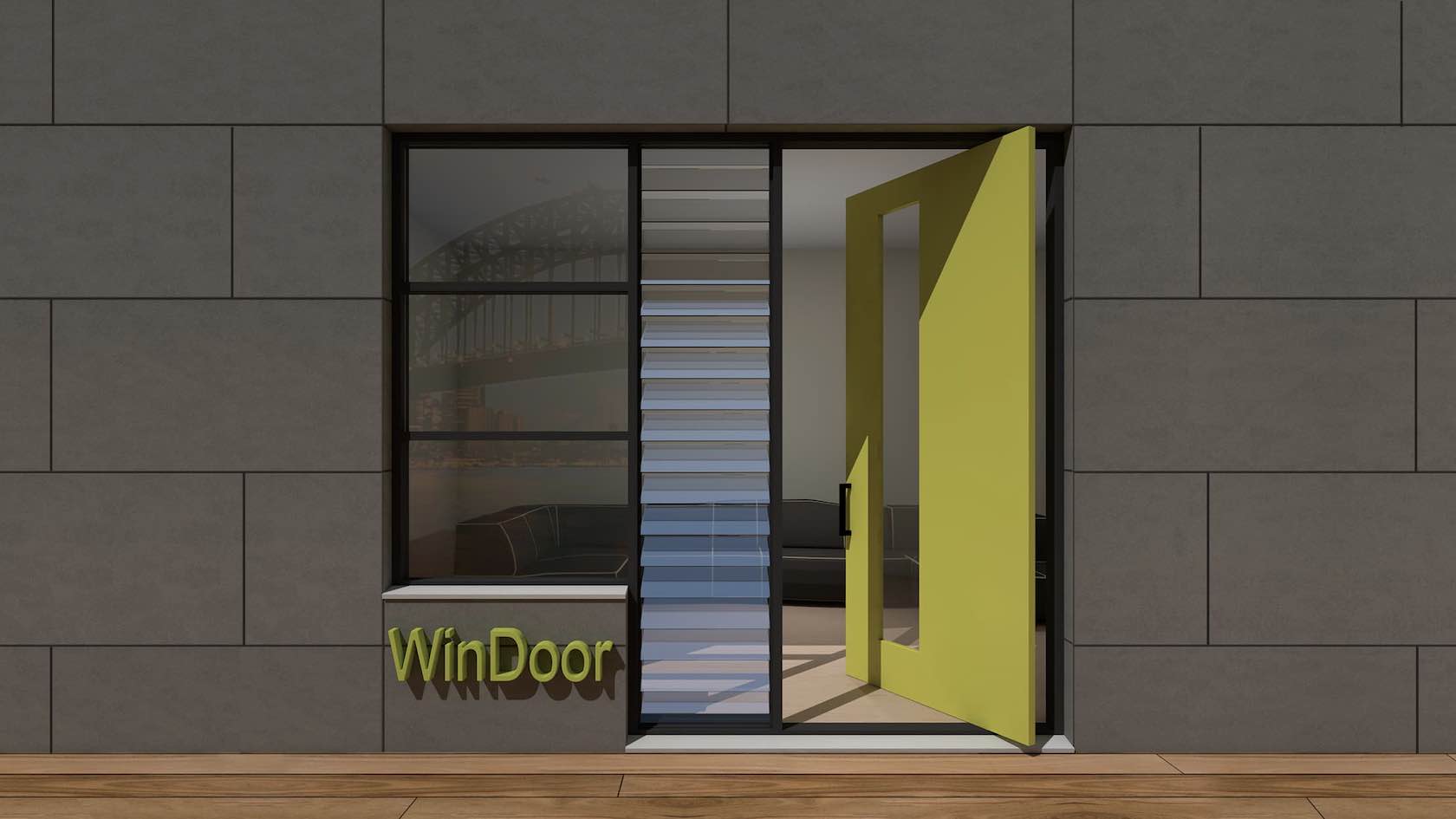




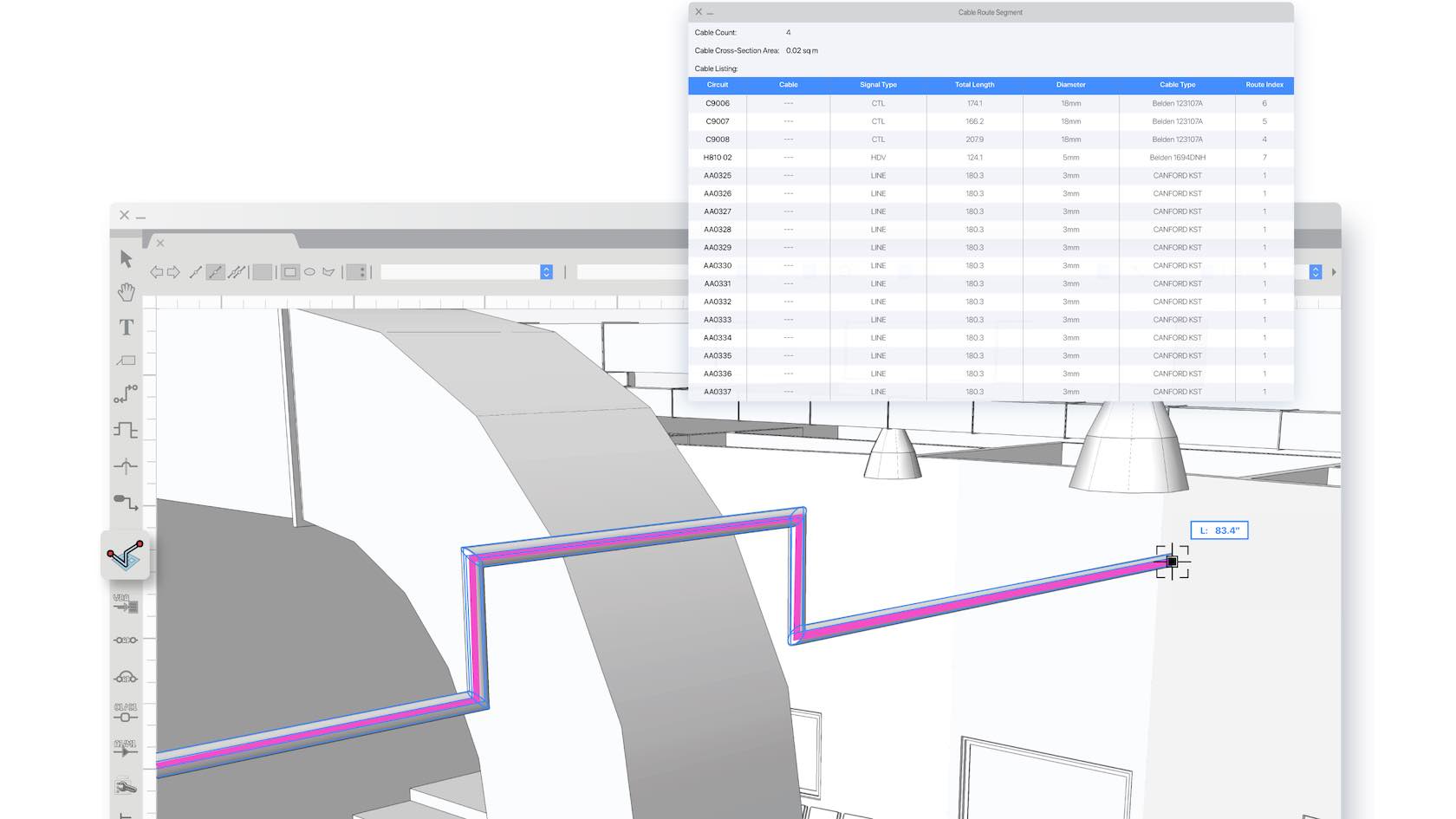
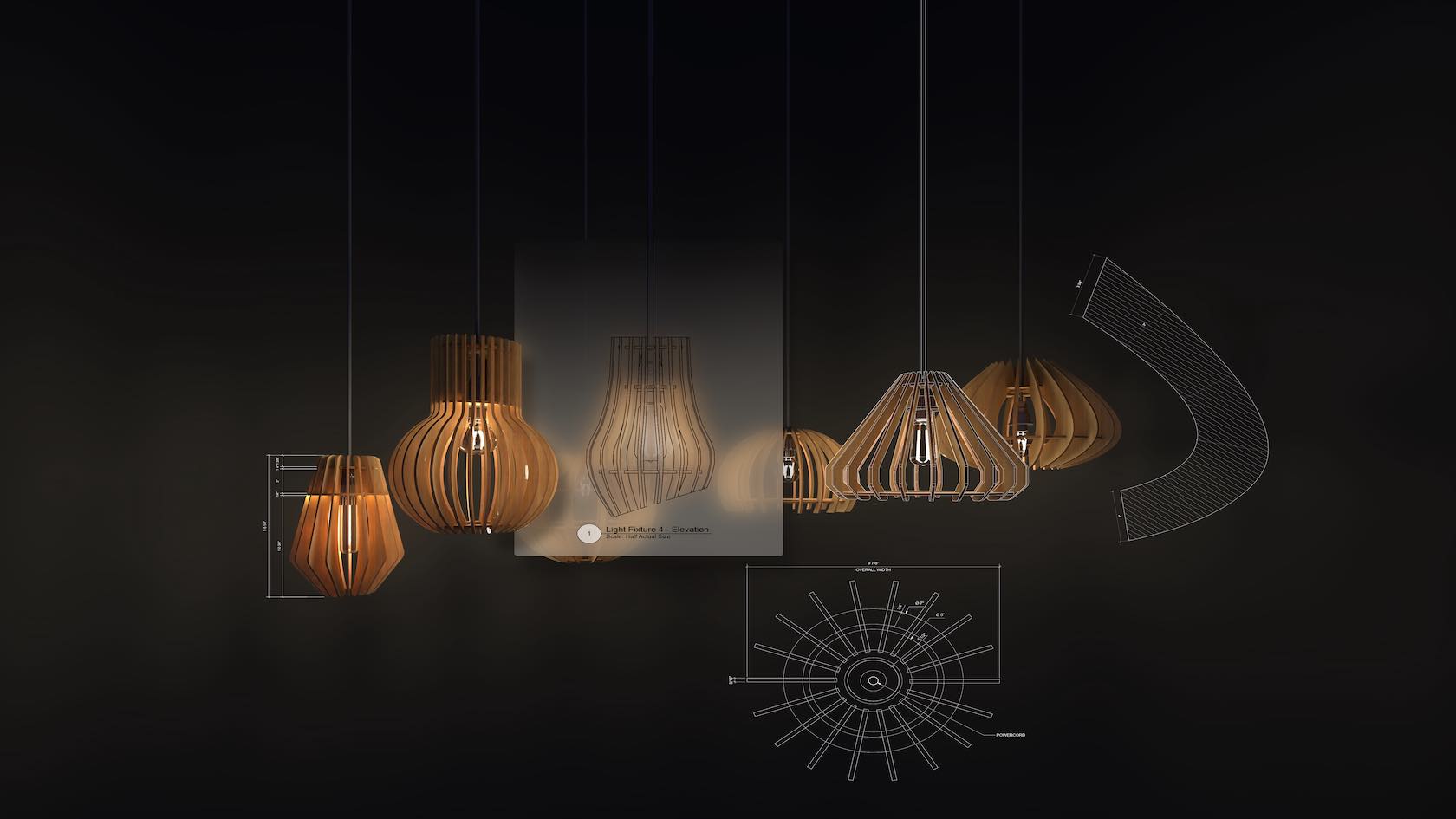

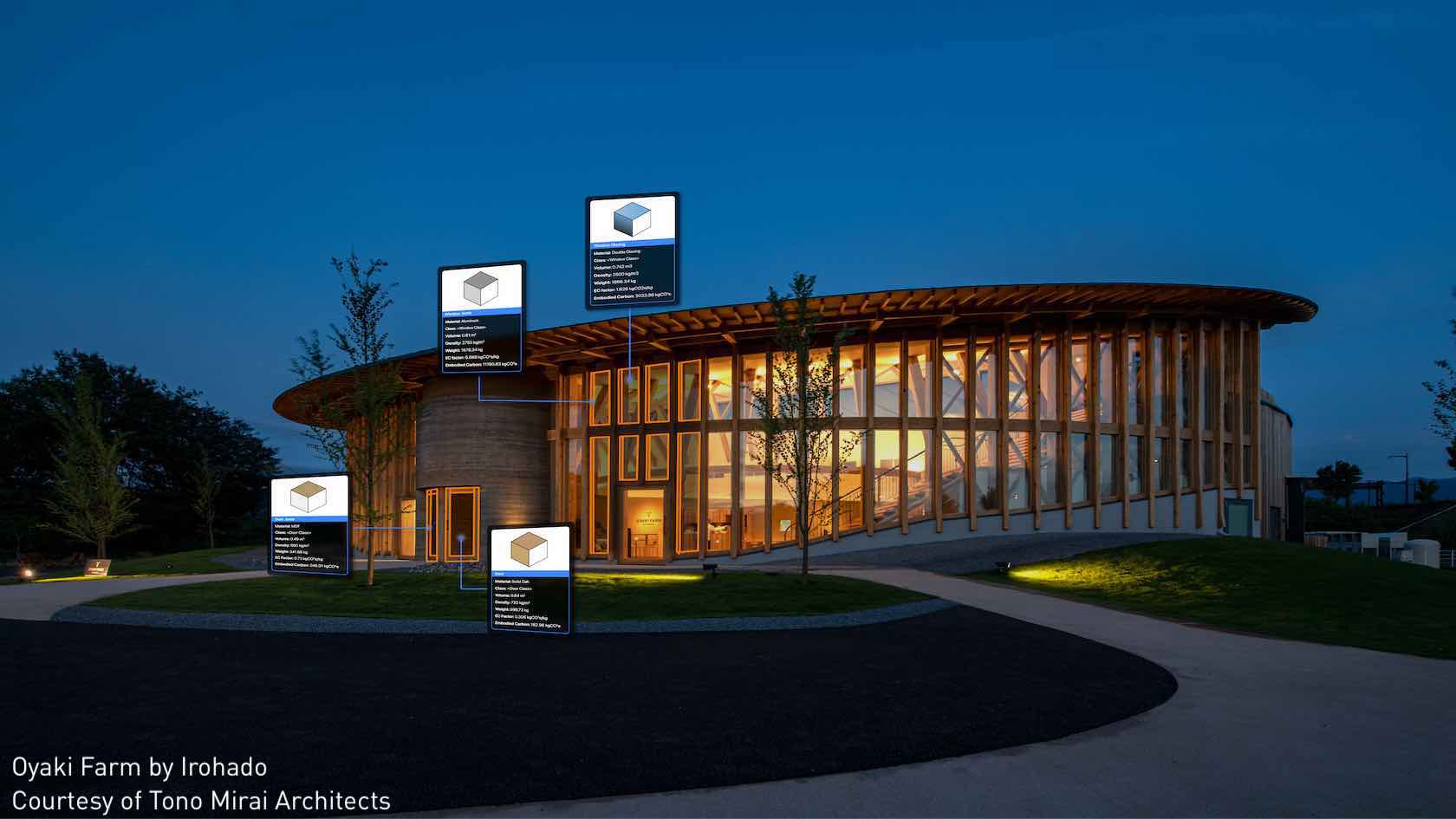
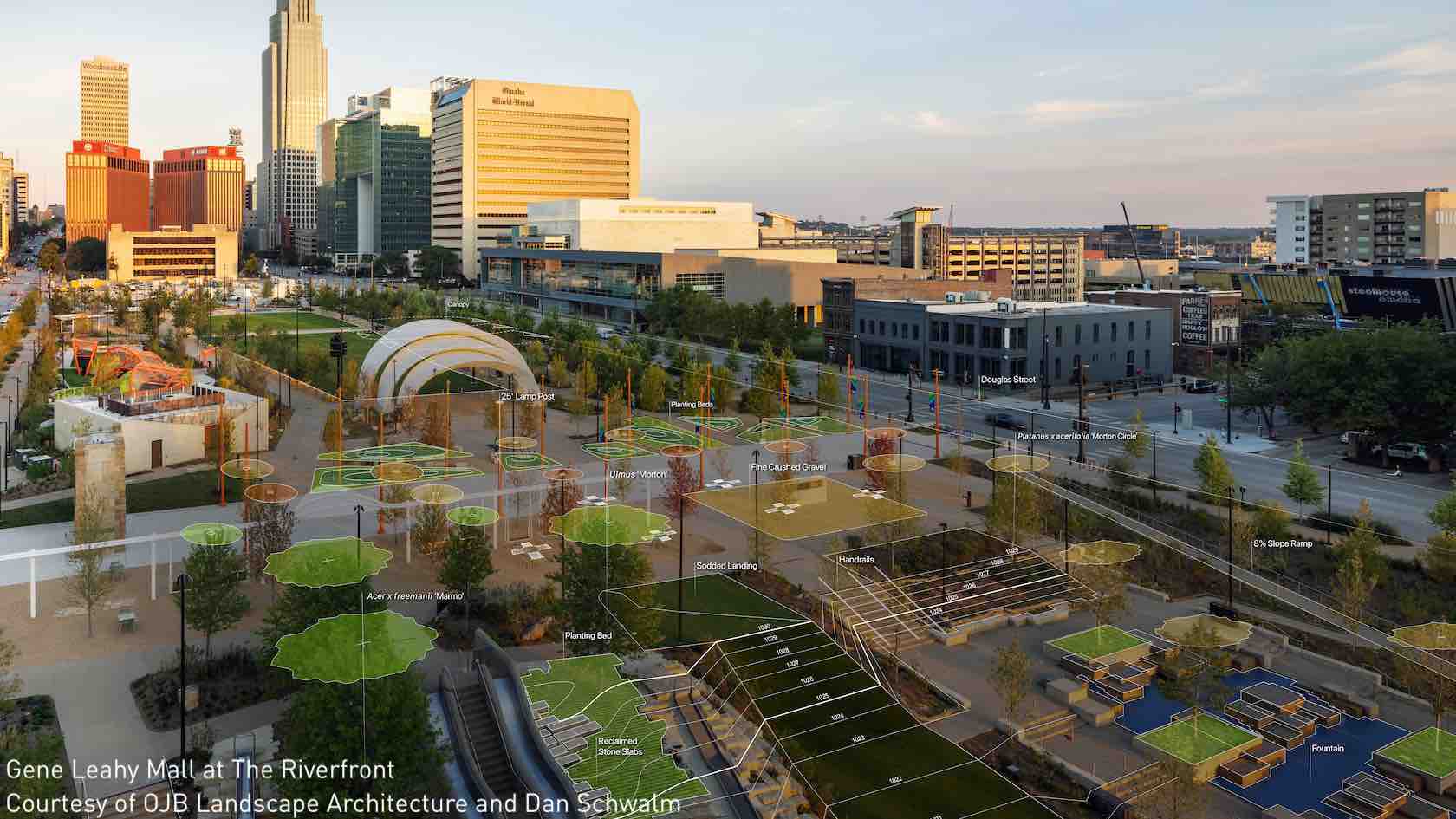
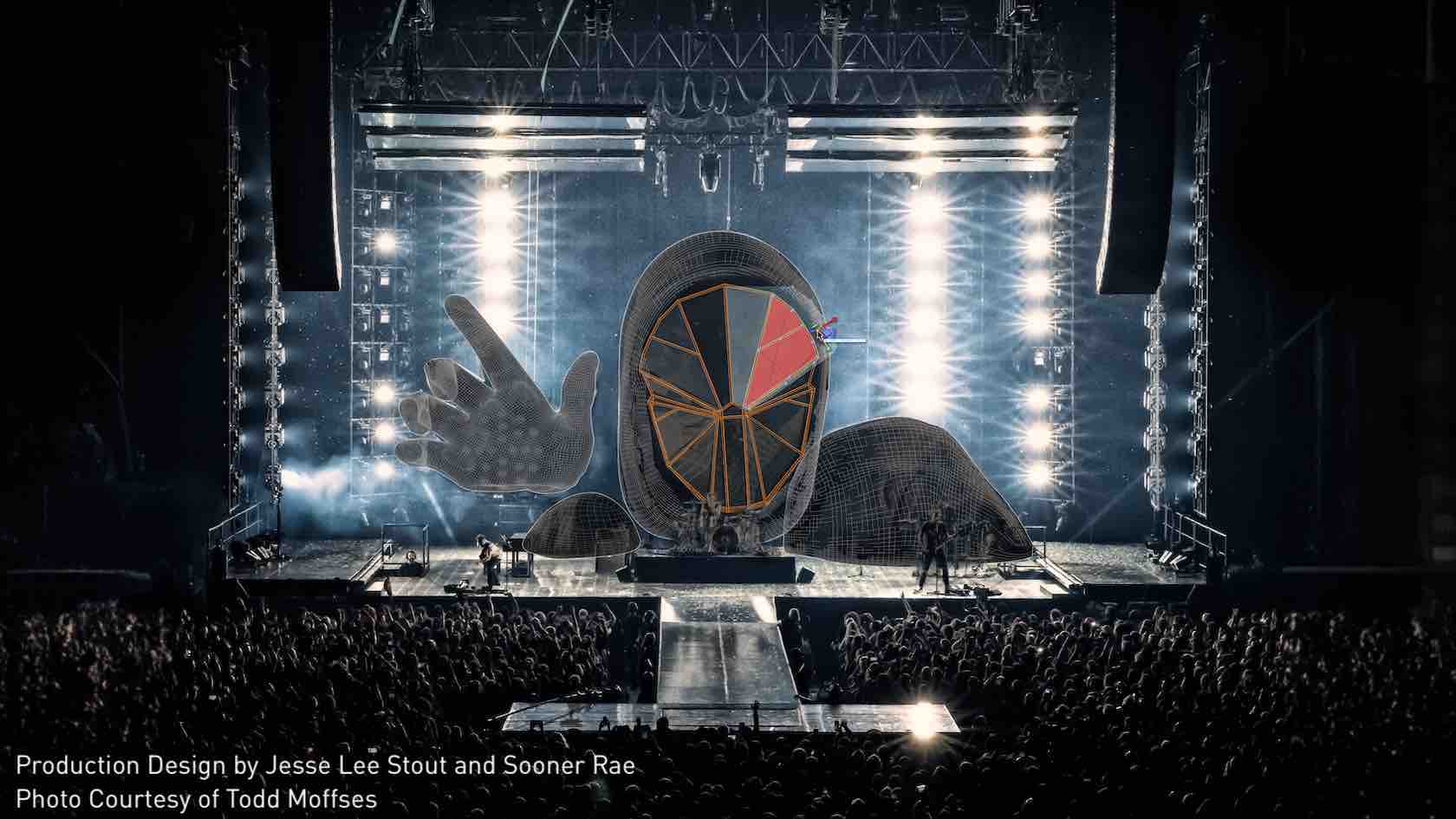

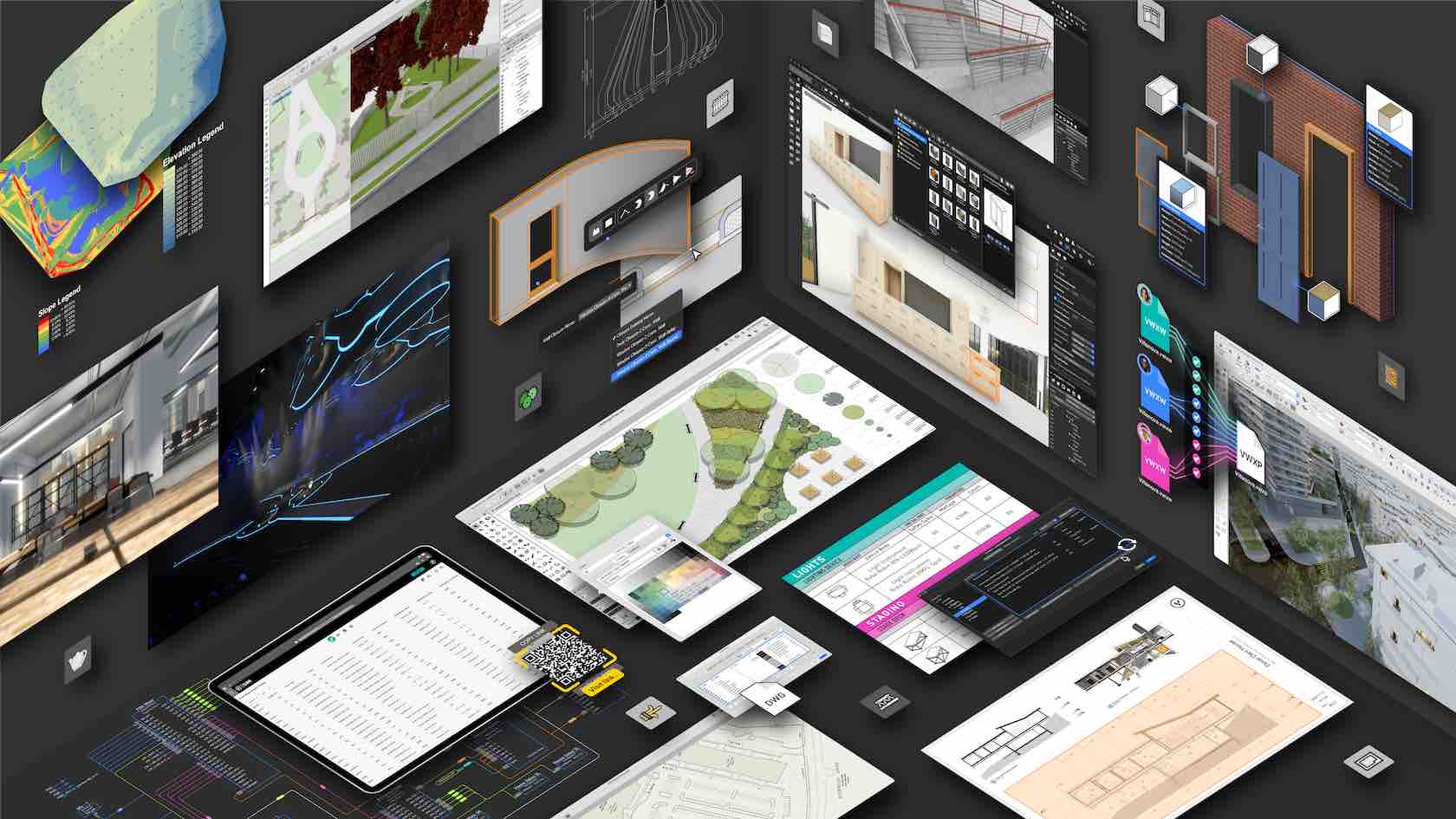
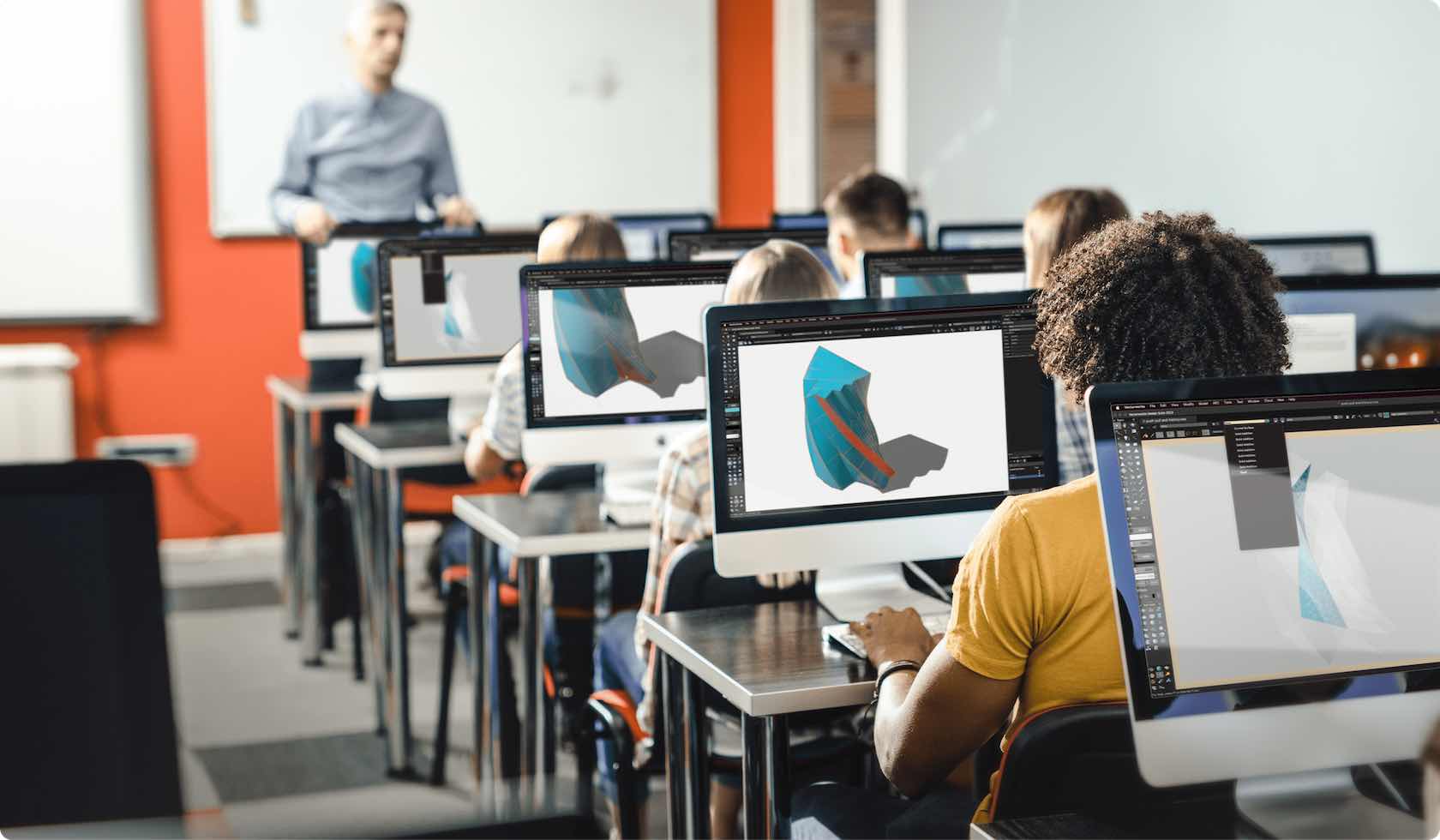
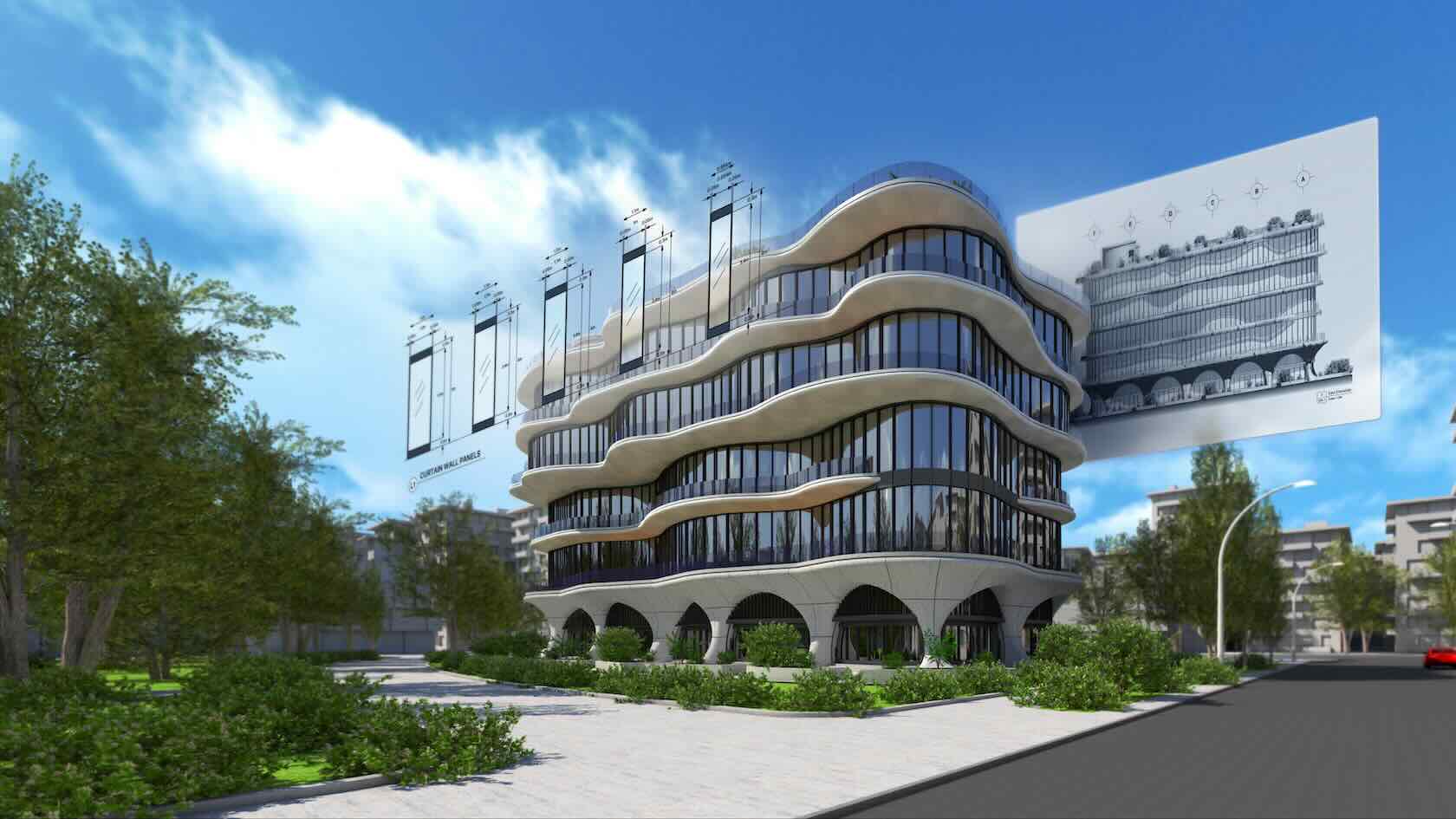
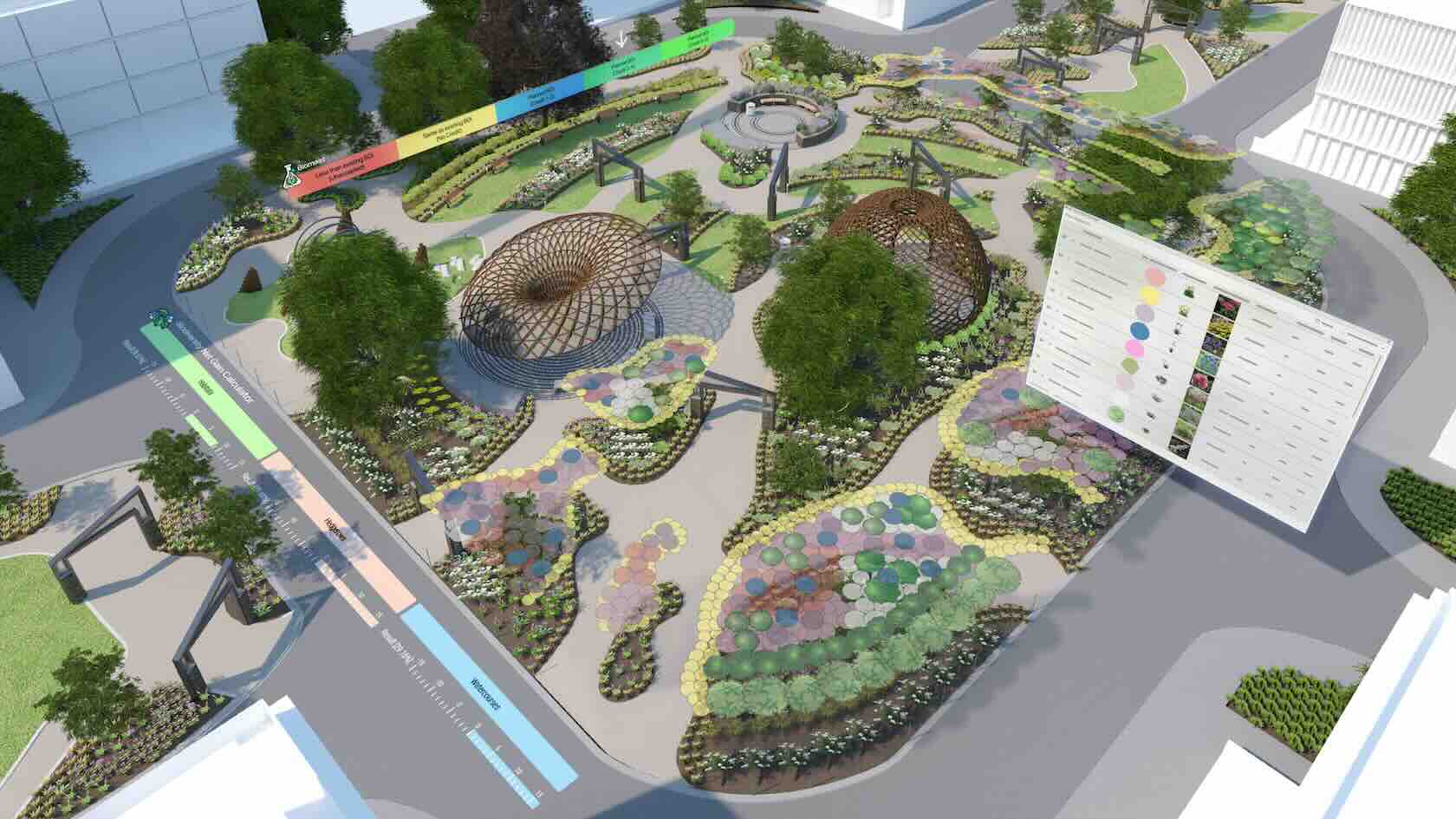
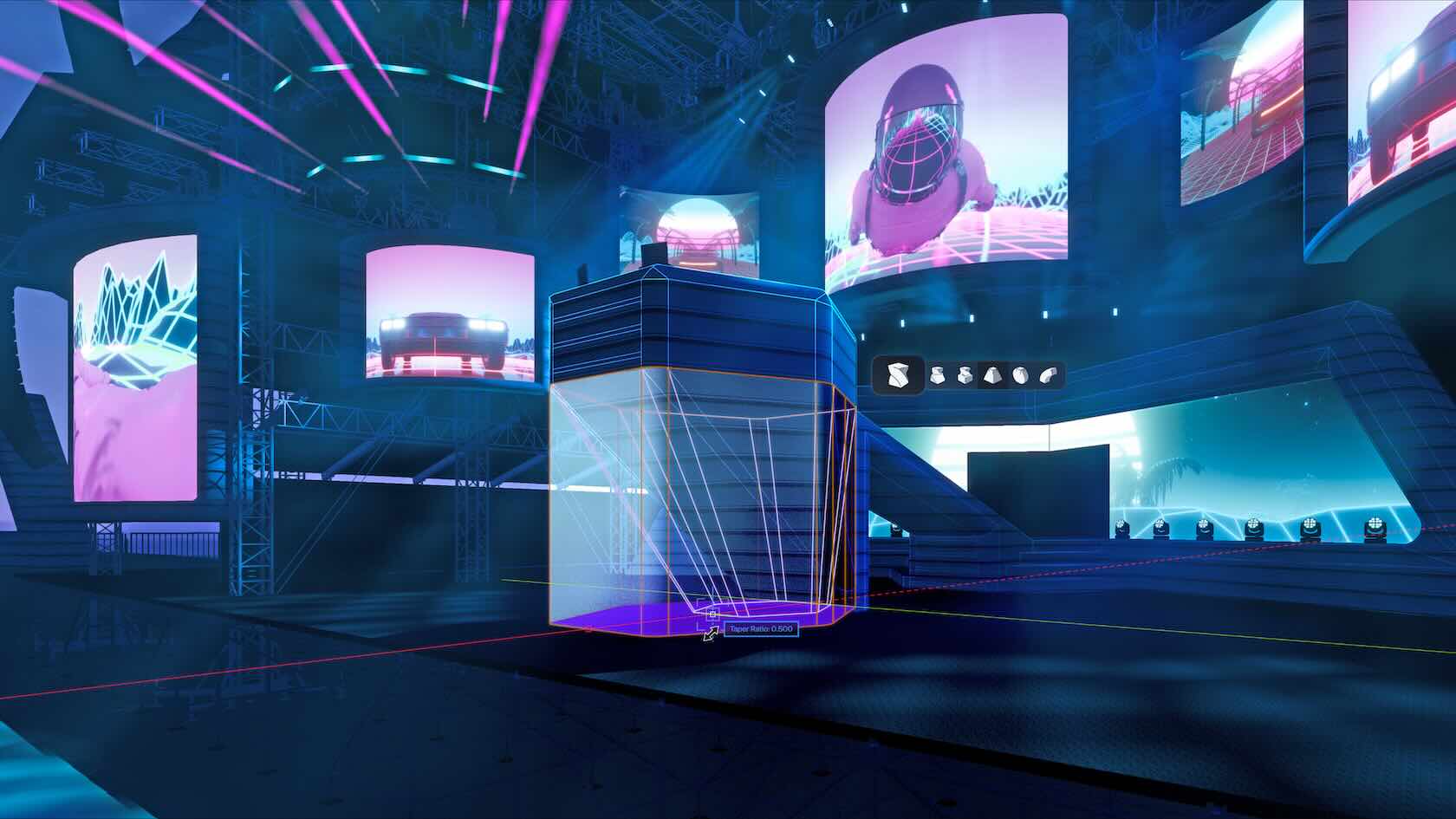

An overview of the Freeform Modeling course and its navigation.


A quick recap of some of the different ways to view your model in 3D.


There are many more tools to help you while 3D modelling. an extrude which follows a path can be used for a whole host of different things from skirting boards to picture frames, while sweeps can be used to create vases, planters, and coils among other things.


Combine two or more simple solids with Add, Subtract and Intersect Solids to make more complex geometry.

Use a variety of tools to add transformations to your 3D shapes

Vectorworks uses a hybrid workflow to present your models. Most of the tools produce a 2D and 3D graphic and of course you can create your own hybrids as Symbols. Auto Hybrid turns your freeform creations into 2D/3D hybrids and even better it will update if you change the model!

While most of the time Automatic plane is sufficient sometimes you need more control and for this we have Working Planes

Subdivision modeling allows for the easy, intuitive creation of free-form shapes, whether designing an object or exploring a concept. After creating a subdivision object or converting an existing object to a subdivision object, sculpt the model using the Edit Subdivision tool.

NURBS (Non Uniform Rational Basis Spline) are used to create curves in 3D space. If you think of Polylines as being drawn with a pencil and therefore flat on the paper, NURBS curves are like modelling wire and NURBS Surfaces are like cloth in that they can be bent in any direction.

The Loft Surface tool creates complex shapes from two or more NURBS curve cross sections with no rail, with a rail and one or more cross sections, or with two rails and one cross section. A rail is a guide NURBS curve which determines the resulting shape, in the One Rail mode. In Birail Sweep mode, the rails do not need to intersect the cross sections.

The Create Surface Array command duplicates 2D or 3D geometry onto a planar object or NURBS surface. This allows you to easily create free-form surfaces with geometric patterns, curtain walls, open framework, and more.